
More Than a Talk:
When Curiosity Speaks, Change Begins
All of us have watched at least one TED Talk that impressed and inspired us somehow, but at the same time, they can seem unreachable, especially for an elementary student in Latin America who has grown to believe that being in the spotlight requires a “movie-like” life. Then, how do we break the preconceived ideas of what a worthy story is?
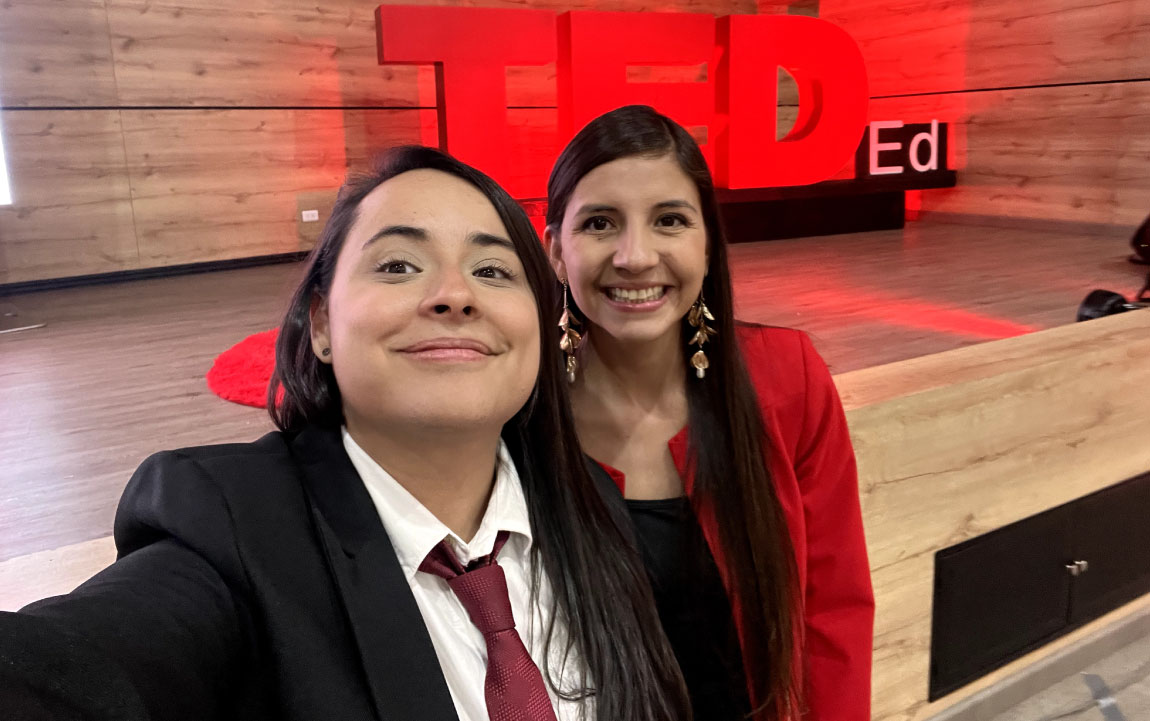
When we were invited to join the elementary TED-Ed organizing team, excitement quickly turned into uncertainty as we wondered what we had taken on. After a few laughs, ideas began to take shape around the thought that voices are valuable, no matter where they come from. We launched the process with an elementary assembly, where students heard reflections from past participants and watched an inspiring talk by children who dared to speak up. Our message was clear: we were not looking for perfect ideas, but authentic ones—stories only they could tell, beyond anything found in a textbook.
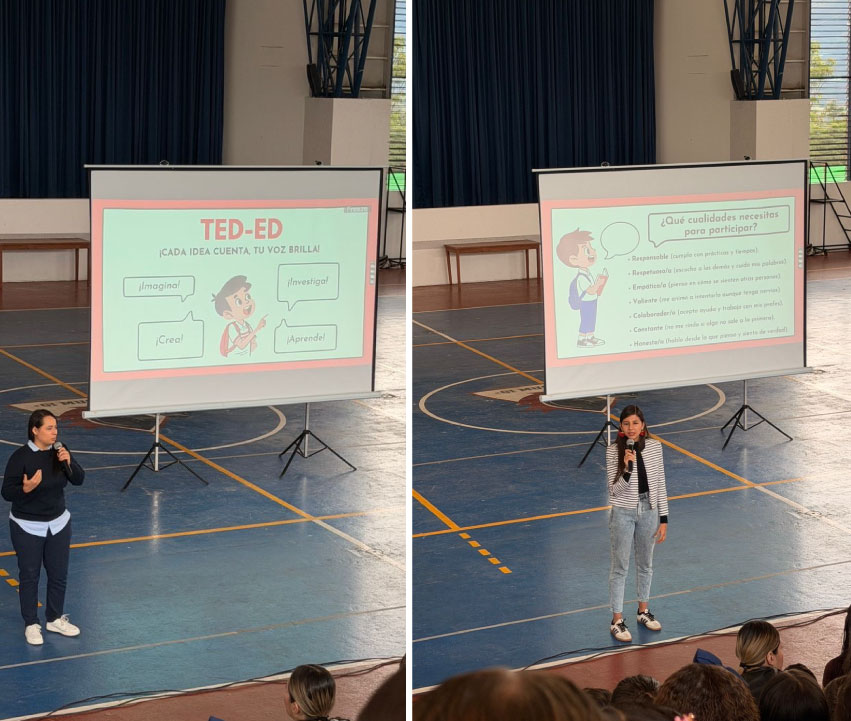
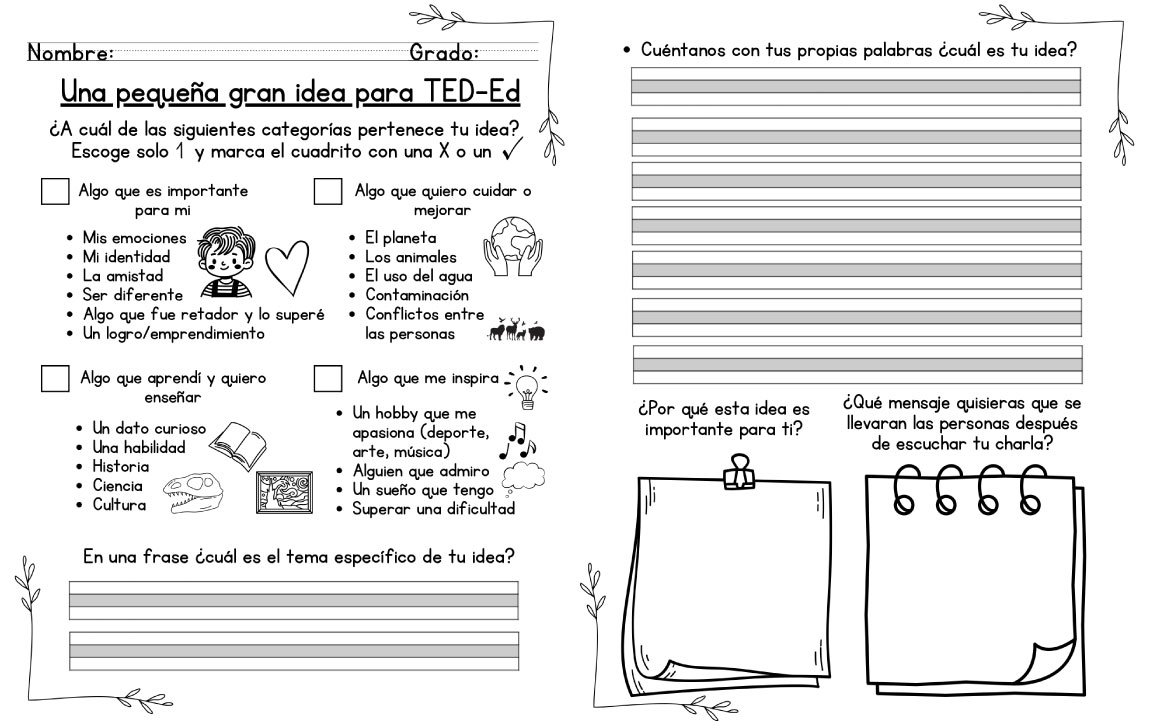
After the assembly, we were pleasantly surprised because nearly one third of our students (32%) stepped forward to audition, showing that they were far from voiceless, but instead they haven’t found a place for those fluttering ideas to land. Drawing on our experience as educators, we then designed an age-appropriate and student-friendly framework to guide the drafting process of the talk idea, emphasising the research component and the development of their personal stories, following TED’s recommended guidelines. Moreover, to ensure a transparent process, we used a selection rubric, which allowed us to provide meaningful feedback to all participants, so everyone, regardless of whether they were chosen or not, preserved their enthusiasm to share their ideas this year or in future editions of TED-Ed.
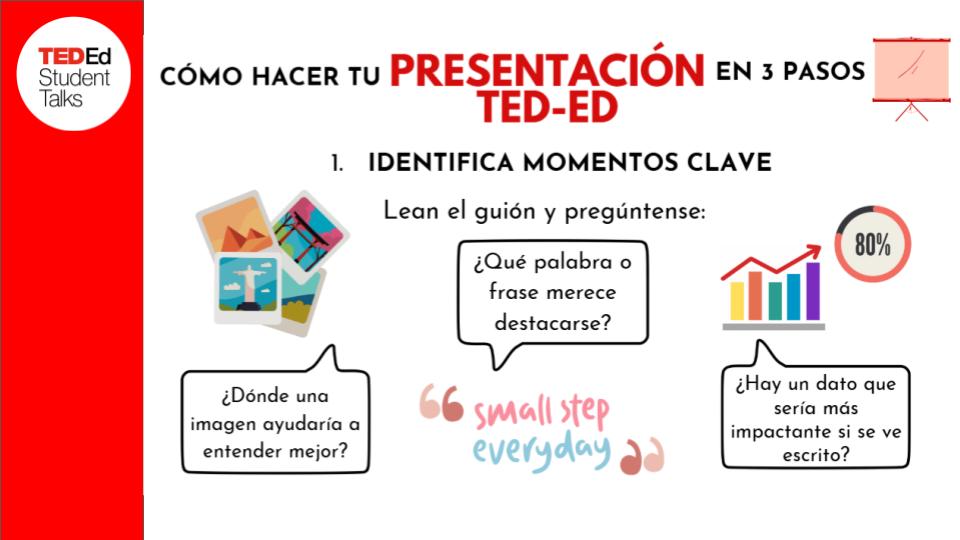
Following the speakers’ selection, the real endeavour began to transform inspiring ideas into powerful speeches. We acted as guides during the talks’ development process, and we were truly encouraged by the strong support from families and the students’ high level of motivation, because curiosity was not assigned… it was awakened! Thus, 15 talks were developed by 22 students, all ready to shine brighter than ever under the spotlight.
As a result of this process, it was not only the final talks that impressed the audience, but everything that happened behind the scenes. From research and script writing to revisions, feedback, slide design, stage presence, and even the countless emails exchanged with families and students to support the work at home, each step played a vital role.
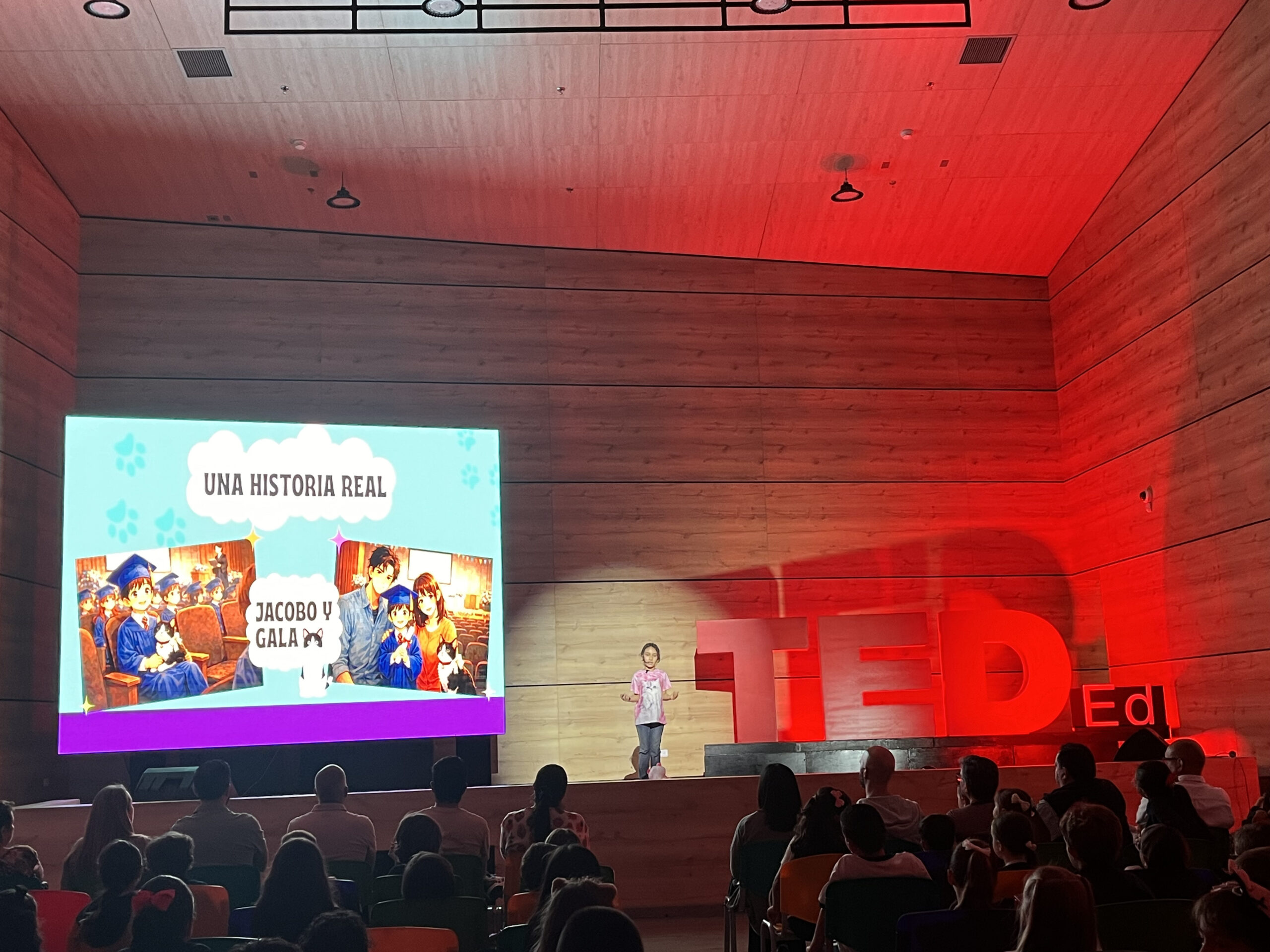
Over those months, we witnessed a remarkable transformation. Students arrived with authentic ideas but fear of stepping onto the stage. Gradually, we saw them move from rigid and hesitant to expressive and confident, using both their voice and their body to communicate. Some, who were more recognized on the soccer field than in academic spaces, stood in front of an audience with the same confidence and determination they show when scoring a goal.
In the end, each of the fifteen talks carried a unique personal mark. One of the TED talks approached the controversial topic of divorce in such a whimsical way that people were laughing and crying at the same time. Other speakers amazed the audience with their empathetic speeches by raising their voices for those who cannot speak to defend themselves from harmful situations. There was even a talk that dazzled us as adults because it taught us about the different meanings of home and belonging. They were not just presentations, but stories shaped with intention—true diamonds in the rough that reached their fullest brilliance.
Looking back, we realized we may have learned more from them than they did from us. They reminded us of the power of staying curious, of the kind of courage that comes in small but powerful voices, and of the urgency of building a more empathetic world where everyone belongs. They showed us that meaningful learning happens together and that even in the presence of fear, growth is always possible.
The impact extended far beyond the stage. A diverse audience—spanning generations—left with something to reflect on, perhaps even something to carry into their own lives. We may never fully know how far these voices will reach, but we are certain of this: our speakers have planted a seed—a humble one—that will take time to grow. Perhaps that little seed is already taking root; perhaps it’s quietly sprouting beyond our sight. And sometimes, that is how real change begins.
Because when students find their voice, they don’t just present ideas… they change the way others see the world.
Visit a compilation of TEDEd Talks 2026xGISchool